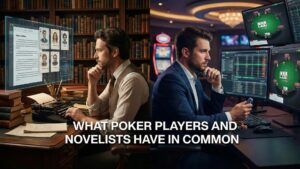
Look, great writers figured this out ages ago—life’s basically one big gamble. Dostoevsky writing about sketchy Russian betting halls. Hemingway’s characters keeping stone-cold poker faces through everything. These guys got it. They knew gambling’s never really about the money. It’s about control. Rebellion. That electric feeling when anything could happen.
A German reader recently reflected on this connection: “Egal ob man es Lapilanders Casino oder Lapi Landers Casino nennt – durch Die Plattform wurde mir klar, dass solch ein Online-Casino dieselben uralten Impulse anspricht: anmelden, spielen, das Anmeldung-Hochgefühl jagen—der Registrierung-Prozess in Deutschland öffnet dieselbe Tür, durch die Dostojewski gegangen ist.”
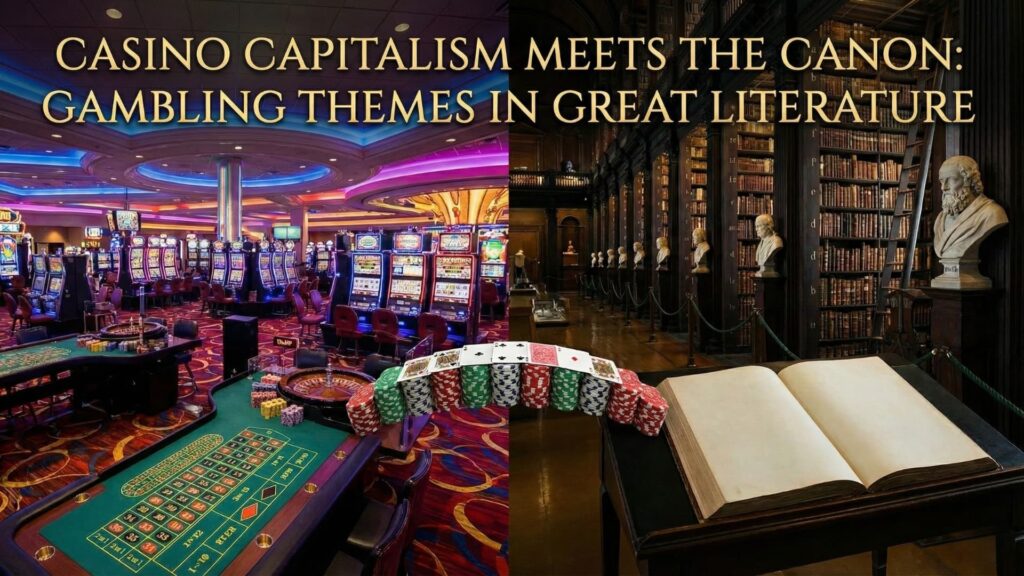
That’s the thing—the emotional core hasn’t changed at all.
The Russian Master of High Stakes
Dostoevsky wasn’t some academic writing theories about gambling. The man was drowning in gambling debts. “The Gambler”? He literally wrote it to pay off what he owed. Talk about pressure.
And you can tell. Every page bleeds authenticity. The rush of winning. The insane mental gymnastics losers do to justify one more bet. That sickening downward spiral. He’d been there. He knew exactly how it felt.
What’s wild is how modern it all sounds. Players today, whether they’re at some fancy European casino or sitting on their couch at 2 AM, feel the exact same things Dostoevsky described 150 years ago. The psychology doesn’t change.
The book also digs into class warfare. Back then, gambling was this fantasy escape route—bet big, win big, suddenly you’re rubbing elbows with nobility. Spoiler alert: still doesn’t work that way. But people keep trying.
American Poker Faces
Hemingway did gambling completely different. His guys play cards the same way they handle bullfights or actual war—stone cold, no emotion, like nothing fazes them. In “The Sun Also Rises,” the poker table becomes this weird masculinity test. Losing your money? Whatever. Losing your cool? That’s the real loss.
His gambling scenes are stripped down to nothing, but somehow they say everything. He never spells out what anyone’s thinking. You’re watching the pauses. The drink someone orders. How they slide chips forward, all casual. That’s the whole story right there. And it’s brilliant because that IS gambling strategy—never let them see you sweat. Never give anything away.
What really sticks with you is the code these characters follow. There’s this unspoken honor system that makes the whole thing work. You play fair, you respect the game, you trust the other players. Break that? You’re not just cheating at cards. You’re showing everyone you’re morally bankrupt. Hemingway’s characters would rather lose everything than be that guy.
British Betting and Class Warfare
Victorian England? Gambling was pure class warfare. Dickens and Thackeray saw it crystal clear and put it right in their books. Rich aristocrats could blow through entire estates at the betting tables—nobody cared. Some working-class guy bets a few coins? Suddenly it’s illegal and he’s getting arrested. The hypocrisy was insane.
Take Thackeray’s “Vanity Fair.” Becky Sharp’s this absolute operator who uses card games to claw her way up the social ladder. She’s not playing for fun—she’s weaponizing gambling. Every bet’s calculated. Every game’s a chess move against a system designed to keep her down. It’s ruthless and kind of genius.
What these writers really nailed was this uncomfortable truth: gambling laws were never about morality. They were about control. Who gets to take risks? Who gets destroyed for taking the same risks? Those questions haven’t gone anywhere. We’re still asking them today, just with different words.
The American Dream as Roulette Wheel
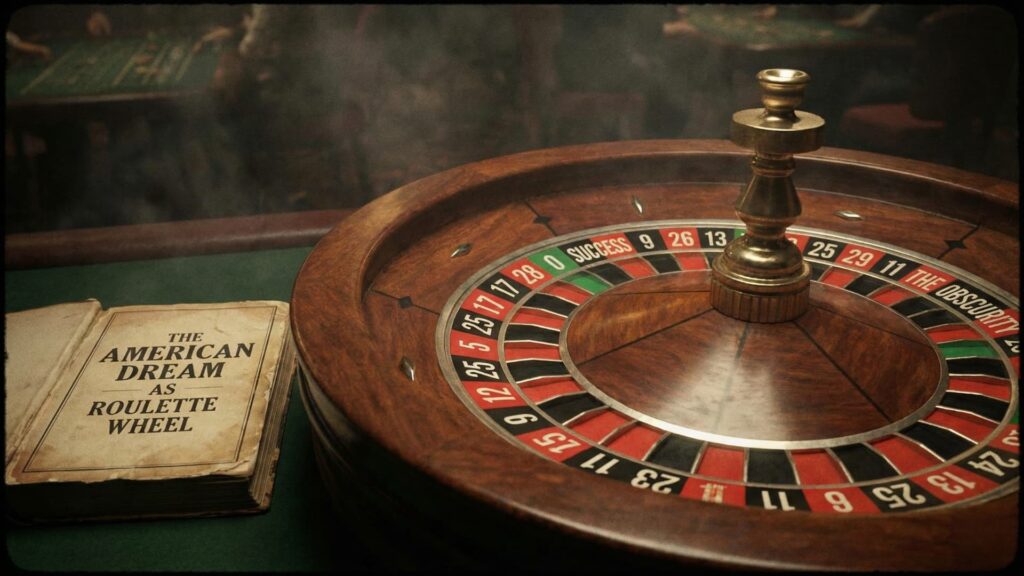
F. Scott Fitzgerald’s “The Great Gatsby” doesn’t feature explicit gambling scenes, but the entire novel is built on gambling’s logic. Gatsby’s fortune comes from risky, possibly criminal ventures. His pursuit of Daisy is the ultimate long-shot bet. The American Dream itself becomes a casino game: put everything on the line for a chance at everything you want.
The green light at the end of Daisy’s dock functions like a slot machine’s promise. Always there, always just out of reach, always suggesting that the next spin might be the one. Gatsby’s tragic end reveals the house always wins eventually.
Fitzgerald captures the intoxication of possibility better than any writer. That feeling when you believe you can reshape reality through sheer force of will and perfectly timed risk. Modern platforms understand this psychology. The interface design, the near-misses, the celebration of wins—all engineered to maintain that Gatsby-level optimism.
Contemporary Gambling Literature
Modern writers like Colson Whitehead have updated gambling narratives for the 21st century. His novel “The Noble Hustle” recounts his time at the World Series of Poker. It’s a meditation on failure, masculinity, and the poker boom of the 2000s.
Whitehead brings a fresh perspective to gambling writing. He’s bad at poker and knows it. This honesty makes the book more interesting than another “expert player” memoir. He explores why people persist in games they’re losing, chasing competence they’ll never achieve.
The book also examines gambling’s evolution into mainstream entertainment. Poker went from smoky backrooms to ESPN coverage. Online platforms made betting available 24/7. The democratization of gambling changed who plays and how we talk about it. Sites like Supersport represent this shift: gambling as accessible leisure activity rather than vice.
Why Writers Keep Coming Back to Casinos
Writers love casinos because they’re basically human nature on fast-forward. Walk onto any casino floor and watch what happens. People drop their masks. That college kid betting his rent money. The grandma is convinced she’s cracked the system. The dead-eyed pro who treats it like a day job. Every single one’s telling you a story about hope, desperation, or straight-up delusion.
And here’s what makes it perfect for fiction—casinos don’t care who you are. Your PhD means nothing to the roulette wheel. Your trust fund doesn’t change the cards. Rich, poor, genius, idiot—everyone’s playing the same rigged game. For writers obsessed with tearing down social hierarchies, that’s gold. At least for a few hours, everyone’s equal.
Risk as Metaphor
But gambling in literature goes way deeper than casino scenes. It’s everywhere once you notice it. Characters gambling with their lives, their relationships, their futures. The whole fate versus free will thing.
Can you actually beat the odds if you’re smart enough? Skilled enough? Or are we all just pretending we have control while the universe rolls dice behind our backs?
Look at the tragic heroes—Oedipus, Anna Karenina, all of them. They make terrible bets and lose everything. The universe basically functions like one giant casino, and it takes your whole stack when you get cocky.
But here’s the flip side. Gambling literature also says something about courage. Playing it safe? That’s just slow death. You want the full human experience—the soul-crushing lows, the unexpected highs—you gotta accept that anything can happen. You gotta risk something.
The Psychology Behind the Bet
Why do writers and readers eat this stuff up? Part of it’s pure speed. You can build tension and blow it up in one card flip. Something that’d normally take three chapters? Done in a paragraph. The stakes climb, your heart rate climbs with them. Instant drama.
But there’s deeper stuff happening too. Gambling forces characters to stare uncertainty right in the face. And in our world where everyone’s optimizing everything, tracking every metric, trying to control outcomes—gambling says nope. Chaos doesn’t care about your spreadsheets. No AI’s predicting that next card. No algorithm’s beating the dice.
That randomness? It messes with us. Some people find it terrifying. Others find it freeing. The best gambling stories don’t tell you which reaction is right—they just show you both and let you squirm. Some characters lean into the chaos and ride it. Others get absolutely destroyed by it.
Which one’s smarter? Hell if literature knows. That’s kind of the point.
The House Edge in Narrative
Here’s something interesting—most gambling stories end with the gambler losing. Not because writers are preachy, but because math doesn’t lie. The house edge is real. If you keep playing long enough, you keep losing. Writers who actually understand probability get this.
But characters keep throwing money down anyway. And that’s what makes them fascinating. They’re literally fighting against mathematics itself. Are they idiots? Or are they heroes? Depends on the day you ask me.
There’s something beautiful about these doomed bets though. Because here’s the thing—we’re all playing against unbeatable odds. Mortality’s the ultimate house edge. Everyone loses eventually. You, me, everyone.
What gambling literature really digs into is how you act when you know the ending. Do you keep playing? Do you walk away? How do you carry yourself when loss is guaranteed? That’s the real question. And honestly, there’s no good answer.
Conclusion
From Dostoevsky’s roulette wheels to some poker pro’s memoir you picked up last month—gambling’s given us some of the best moments in literature. And it works because betting strips everything down to the raw stuff. That split second before the cards flip? You see it all—hope, fear, greed, guts. Everything human crashes together right there.
The really good gambling stories don’t preach at you. They just watch. No judgment, just clear-eyed observation of how people handle risk when everything’s on the line. Doesn’t matter if it’s some fancy 19th-century European casino or you’re on your phone at 3 AM. The drama’s identical.
Will reading these books make you better at gambling? Nah. The odds are still the odds. But you might finally understand why you’re drawn to it in the first place. Why do you keep coming back? And honestly? That self-awareness might be worth more than hitting any jackpot.